
When thinking of the most popular animals used in scientific research, most people would not imagine an insect. Yet these underappreciated creatures are an integral part of many modern scientific discoveries. Research on insects has established foundational tenets of genetics, insight into the ways vectors efficiently spread diseases worldwide, and recognition of the complex social behaviors exhibited by groups of insects. Modern insects first emerged during the Jurassic and Cretaceous periods and now comprise around 80% of animal species. These multifaceted and multi-legged creatures are crucial components of our ecosystem and have become important models in biomedical research. Here in the Tri-I, researchers have embraced insects in unique and exciting ways to build upon a rich history of interest in the world’s most abundant animals.
The Insect Boom
Collection and Display of Insects in the Renaissance Era
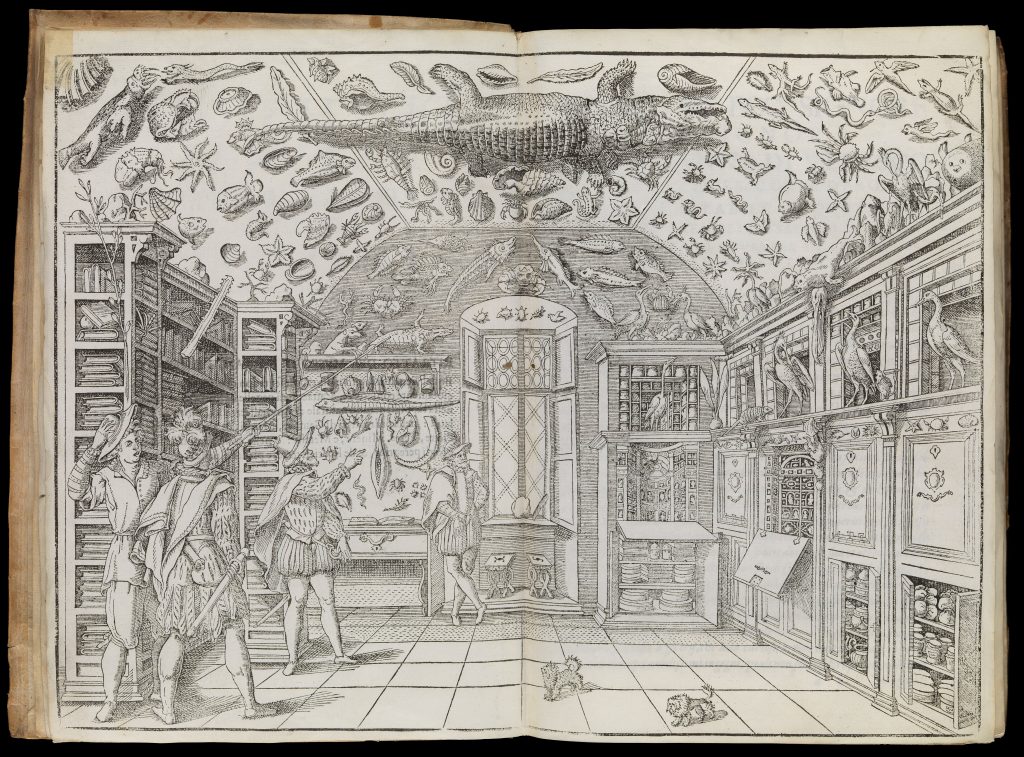
In the Renaissance era, an intellectual “insect boom” began as human creativity and inquiry proliferated throughout Europe. Naturalists began developing cabinets of curiosity, or Wunderkammer, which allowed for curated collections of preserved plants, artifacts, and animals—including insects—to be displayed. These mostly private collections served as precursors to museums and reflected an increasing desire to probe and understand the natural world and its inhabitants.
Post-Renaissance
Scientific advancements in the 17th and 18th centuries enhanced efforts to understand insects. Marcello Malpighi (1628–1694) established microscopic anatomy, or histology, as a fundamental component of physiological research through his work documenting the existence of blood capillaries, the structure of human organs, and the lack of lungs in insects. In his 1735 Systema Naturae, Swedish biologist Carl Linnaeus (1707–1778) established Linnaean taxonomy, or binomial nomenclature, as the standard naming system for plants and animals. Over 4,000 animals, including insects, were recorded in this publication, allowing scientists to begin categorizing different organisms based on their unique features. Previous studies of insects had given minimal consideration to establishing standards of classification for these creatures. Linnaeus’s new system enabled other entomologists to build upon his findings, introducing new orders, families, and genera to further classify the many insects that had been identified.
Evolution of Insects and Beyond
Inquiries about evolution, an idea pioneered by naturalists Charles Darwin (1809–1882) and Alfred Russel Wallace (1823–1913), dominated the scientific landscape in the 19th century. Entomologists began examining adaptations that insects utilize to promote survival in many environments. This information helped expand and fine-tune the insect classification system and opened a new branch of exciting scientific inquiry. Scientific knowledge about insects rose exponentially during this period as physical observation of these organisms encouraged exploration of the evolutionary reasons for insects’ vast morphological diversity.
These historical scientific milestones paved the way for modern entomological and biological research. Genetic research has fine-tuned insect classification and provided new avenues for discoveries in the basic sciences, ecology, and medical research. The Tri-I research landscape speaks to continued interest in insects as subjects of scientific inquiry, with labs studying both the established model insect, Drosophila melanogaster (the fruit fly), and less common but influential arthropods like Aedes aegypti (the yellow fever mosquito) and Ooceraea biroi (the clonal raider ant). These labs have contributed novel information about development, ecology, genetics, and behavior to the greater scientific community, and their research encourages creative approaches to understanding our natural world.
The Fly
Drosophila Genetics Take Flight
The early use of Drosophila melanogaster stemmed from the rediscovery of Mendelian genetics in the early 1900s. Several decades earlier, Gregor Mendel had postulated the existence of “hereditary factors” after examining patterns of trait inheritance in the pea plant. The physical basis and mechanism of those hereditary factors remained to be elucidated, spurring Thomas Hunt Morgan’s journey into genetic work. Morgan’s first forays into insect research (namely, phylloxerans and aphids) led him to conclude that the genetic determination of sex was a “cytoplasmic phenomenon”—that is, sex was determined by the contents of the cytoplasm. However, these parthenogenetic insects were soon overshadowed by another star that would change Morgan’s mind: Drosophila melanogaster, which had already proved useful in other genetic studies. Morgan was drawn to Drosophila because of its short life cycle, ease of rearing, and high numbers of progeny. Along with students Alfred Henry Sturtevant, Calvin Blackman Bridges, and Hermann Joseph Muller, Morgan established the “Fly Room” at Columbia University.
Morgan began breeding flies exposed to mutagens, hoping to find a heritable mutation. In 1910, after two unsuccessful years, Morgan finally discovered a single white-eyed male among the red-eyed stock. By breeding this fly to red-eyed females and recording the eye color of different generations of offspring, he concluded that the white gene was carried by a sex-linked “factor.” In 1913, Sturtevant created the first genetic map, mapping several other genes to the X chromosome of Drosophila. Bridges followed suit with cytogenetic studies of the white gene, demonstrating that its inheritance patterns in rare cases of nondisjunction could only be explained by an X chromosome locus. These observations provided important evidence for the burgeoning chromosomal theory of inheritance. Together, Morgan’s, Sturtevant’s, and Bridges’ work laid the foundation for classical Mendelian genetic studies in animals.
Beyond Classical Genetics: The Tri-I’s Novel Approaches to the Fly
Because of its high reproductive rate and ease of culturing, the fruit fly is a particularly suitable model for the study of genetics. A fly’s lifespan is roughly two months, and a female may lay up to 2,000 eggs in her lifetime, allowing researchers to quickly obtain many progeny. Gene heredity can be tracked across several generations, and aging phenomena can be studied within a short timeframe. Moreover, fruit flies’ genetics are simple: they possess only four pairs of chromosomes, and males do not exhibit meiotic recombination. Muller’s invention of the first balancer chromosome, ClB, made Drosophila research even more promising, as researchers could now stably maintain lethal mutations in heterozygote form across generations.
Genes involved in diverse pathways such as cell growth and differentiation, insulin signaling, membrane excitability, and neuronal function are conserved between Drosophila and other species, so the fly’s use quickly expanded beyond genetic studies. Along with Jeffrey Hall and Michael Rosbash, Michael Young of Rockefeller University characterized the interaction of proteins Period, Timeless, and Double-Time in clock neurons, providing a molecular mechanism for the circadian rhythm. This work is ongoing, with recent efforts centered around the lifespan-extending effects of time-restricted feeding. Preliminary data found that these effects were independent of brain activity, prompting exploration of potential peripheral clocks. A current graduate student in the Young lab, Martina, notes that these findings could “shift the current clock hierarchy paradigm in chronobiology.”
Current research in the Tri-I uses Drosophila for a variety of purposes, from studying how behavioral responses to olfactory stimuli are neurally encoded and modulated (Vanessa Ruta, Rockefeller University) to investigating the origin and function of de novo genes in Drosophila (Li Zhao, Rockefeller University). Gaby Maimon examines how Drosophila perform complex computations, like the encoding of spatial memories and event prediction, and how these computations guide behavior.
Drosophila research has not only advanced our understanding of physiology and pathology—it has also served as a site for the development of techniques that expand the boundaries of scientific inquiry. Martina notes that a benefit to using Drosophila is the GAL4/UAS system, which enables expression of one or more transgenes in a genetically defined population of cells. Transgenic flies expressing the transcriptional activator GAL4 in a particular cell type and/or at a particular developmental stage are crossed with flies that carry the target gene under the control of an upstream activating sequence (UAS). In the resulting progeny, GAL4 binds to the UAS, activating the gene of interest only in target cells. In a similar vein, Drosophila were pivotal in the invention of optogenetics, a technique widely used in neuroscience research and pioneered by Gero Miesenböck, then at Memorial Sloan-Kettering. Miesenböck and colleagues used Drosophila phototransduction machinery, which is simpler than its vertebrate counterpart, for an early version of optogenetics, allowing for selective excitation of neurons with light.
The Mosquito
Infection and Disease Inspire a New Field of Biological Research
The female mosquito is a highly effective vector of disease, causing over 700,000 deaths each year—a number that makes it the deadliest creature on the planet. A commonplace nuisance to many, the mosquito serves as a major target for public health efforts intending to control mosquito populations, reduce disease spread, and educate the public on this tiny threat.
Early mosquito research was motivated by rising numbers of malaria cases in the Northwestern Atlantic in the 17th century. Malaria’s vector, the Anopheles gambiae mosquito, has origins in subsaharan Africa and southeastern Asia. Though some species of Anopheles are indigenous to North America, the arrival of the malaria parasite and other invasive mosquitoes due to colonization and the Atlantic slave trade changed the relationship between humans and mosquitoes in this region forever.
Disease scourges affecting both the Global North and Global South during this period sparked widespread scientific interest in identifying their modes of transmission. Mosquitoes were not established as carriers of deadly diseases until the late 1800s, with the work of Sir Patrick Manson and Dr. Carlos Finlay. In 1877, Manson observed that mosquitoes can consume the parasitic larvae that cause lymphatic filariasis through his extensive clinical work in China. In 1881, Finlay, a Cuban physician, made the groundbreaking claim that yellow fever is transmitted via an intermediary. This claim garnered extreme ridicule, and the medical community labeled Finlay a “quack.” He was proven correct in the 1900s, however, by U.S. Surgeon General Walter Reed and his controversial and potentially unethical military experiments. These observations, taken together, spurred the establishment of modern vector biology.
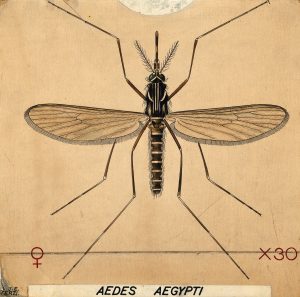
Mosquitoes quickly became a focus for public health officials after several vector-borne epidemics. The 20th century saw the rise of mosquito control programs in tropical regions most affected by disease. These early programs sought to understand breeding behaviors, areas of habitation, and the epidemiology of diseases transmitted by mosquitoes. In the mid-1900s, during World War II, the United States established its first mosquito research laboratory, named the Insects Affecting Man and Animals Research Laboratory (IAMARL) Mosquito Research Unit, to develop defenses against insect vectors for military personnel. Mosquito research programs across the world today span many approaches and focuses, from military protection and bioweapon capabilities, to the development of effective and safe mosquito control, to the most basic research investigating the mosquito as an organism.
A Holistic Approach to the Mosquito in the Tri-I
Research with mosquitoes has yielded many important discoveries related to climate change, disease prevention and treatment, insect behavior, and more. Mosquito-borne illness rates have been used as climate change markers: warmer temperatures associated with climate change may allow mosquitoes to occupy new geographic areas, increasing the risk of exposure to the diseases they carry. Early research by the U.S. Army in the 1940s led to the development of DEET, the most effective and widely used insect repellant compound today. Various modern studies have provided insights into the mosquito’s host preferences, activity patterns, and more.
In the Tri-I, the lab of Dr. Leslie Vosshall has been studying the invasive Aedes aegypti mosquito since 2014. The Vosshall lab seeks to understand the mosquito’s unique and unbreakable ability to locate a suitable host for a blood meal—the point at which disease transmission occurs—and has broadened its focus to address a variety of mosquito-centric questions.
Ongoing work in the Vosshall lab explores the function of the ionotropic, odorant, and gustatory receptor families in the context of mosquito host-seeking and biting/feeding behaviors. Orco, a protein-coding gene that is required for the function of all ligand-binding odorant receptors, was identified in fruit flies as a “central olfactory switch common to all insects” by Vosshall and colleagues and has been probed further in the mosquito. The lab’s work on orco mutants showed that, without the protein, mosquitoes exhibit a reduced attraction to humans and a loss of DEET repellence. This major finding has spurred the lab’s continued interest in exploring the mechanisms underlying mosquito attraction to host cues and the effect of repellants on particular sensory tissues.
Maria Elena De Obaldia, a former Vosshall lab postdoc, tackled the near-universal question: what makes a person more or less attractive to mosquitoes? Through a series of March Madness-esque tests where mosquitoes chose between nylons worn by 33 different individuals, De Obaldia identified increased carboxylic acid levels in the skin as a “magnet” for the mosquito. Her work also highlights how orco and notable ionotropic receptors contribute to mosquitoes’ attraction to and preference for hosts, probing the unique code of sensory perception in these deadly creatures.
Mosquitoes provide a vast landscape for potential scientific inquiry, with many ecological, biological, and medical questions yet to be probed. Allie DeFoe, a research assistant in the Vosshall lab, notes the “many uncharacterized molecular mechanisms underlying [mosquitoes’] sexually dimorphic behaviors” as a driver for their decision to work in these insects. Many mosquito-related questions currently remain unanswerable due to a lack of genetic tools and a need for knowledge about the mosquito genome. At times, researchers turn to Drosophila genomes to gain insight into what the mosquito genome could be doing; however, any proposed function will still need to be experimentally validated and contextualized in the mosquito. A recent push by the Vosshall lab to provide genetic resources to the vector biology community is the generation of the Mosquito Cell Atlas, which DeFoe defines as the “first large-scale single-nucleus analysis of the Aedes aegypti mosquito, encompassing 367,745 nuclei across 19 tissues.” With this data set, mosquito researchers worldwide will have access to untapped genetic information that can fuel new endeavors and support established ones.
The Ant
Ants March into the Minds of Biologists
Humans have coexisted with ants for millennia, first recognizing their utility as a form of natural pest management. Weaver ants, for instance, were used as biological control agents in African and Asian countries as far back as the third century A.D. Yet scientific curiosity about ants did not emerge until the 1800s, when Victorian naturalists conducted the first observational studies of ants, documenting nest building, division of labor, and cooperative foraging behavior. William Morton Wheeler proposed that the ant colony functions as a kind of organism, with each ant performing specialized roles that nourish and protect the system as a whole.
In the 1950s, Edward Osborne Wilson began analyzing ant behavior and migration from an evolutionary perspective—though his studies were overshadowed by other scientific breakthroughs of the decade like the successful initiation of the first hydrogen bomb in 1952 or the determination of the structure of DNA in 1953. Wilson, meanwhile, conducted field studies on the biogeography of ants and the evolution of their behavior. He was fascinated by their self-sacrificial and cooperative nature, which seemed to contradict theories that individual fitness drives all behavior. Wilson argued that upholding colony social hierarchies increases a species’ overall fitness. His theory of sociobiology sought to explain social behavior as a result of evolution, a concept that sparked controversy when extrapolated to humans.
This early work documenting the remarkable social dynamics of the ant colony laid the groundwork for the later usage of ants as proper model organisms. Unlike Drosophila or mosquitoes, ants are eusocial and provide unique insight into cooperative behavior. The members of an ant colony are closely related, yet an individual’s caste, determined embryonically, denotes its morphology, physiology, behavior, and even lifespan. These characteristics are not irreversible: Jürgen Liebig demonstrated in the jumping ant that previously non-reproductive worker females can take on a reproductive role in the absence of the queen. Danny Reinberg and Shelley Berger hypothesized that the polyethism and behavioral plasticity observed in ants are due to epigenetic regulation, a process that is more difficult to investigate in mammalian and yeast models.
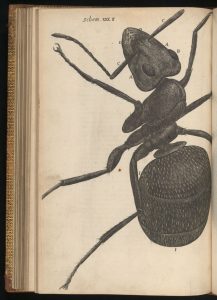
Liebig, Reinberg, and Berger collaborated on the first genome and transcriptome sequencing of two divergent ant species, which uncovered caste- and species-specific expression of epigenetic regulatory enzymes correlating with DNA methylation levels. Unlike Drosophila and mammalian models, ants have a complete set of DNA methylation enzymes, and methylation primarily occurs in non-coding regions of DNA. Berger’s early studies found that pharmacological manipulation of histone acetylation can stably induce or reverse caste-specific behaviors and identified a developmental window during which this is possible. These findings established ants as a useful model to examine epigenetic mechanisms of aging and behavior.
Complex Investigation of Mini Societies in the Tri-I
Dr. Daniel Kronauer heads Rockefeller’s Laboratory of Social Evolution and Behavior, which studies the complex social hierarchies of the clonal raider ant, Ooceraea biroi. These blind ants naturally fall into “castes,” forming small societies wherein each role fulfills a crucial function for the overall operation of the colony—a phenomenon that characterizes them as eusocial insects. O. biroi are able to maintain their social hierarchy through chemosensory communication via pheromones and other odors. The Kronauer lab explores the intersection of olfaction and caste from a variety of angles, including neural circuitry, genetics, development, and caste behavior.
A fascinating example of a mechanism that enforces specific roles within the colony is the lab’s finding that O. biroi pupae secrete a molting fluid that activates parental behavior and supplies nutrients to larvae. The latter function frames the fluid as “analogous to mammalian milk,” with larval survival put at risk if access to this fluid is hindered. This mechanism of pupal secretions activating behavior is also present in other ant species, suggesting that it is central to the social regulation of many ant colonies. Additionally, O. biroi have been used to study aging-related behavior and role changes within a colony. Taylor Hart and colleagues found that in older clonal raider ants, individual odor processing units (glomeruli) have altered sensitivities to particular pheromones. Interestingly, older ants have increased responses to “alarm pheromones,” which are released to communicate danger and can stimulate aggression. Their overall sensitivity to other odorants is decreased, in contrast to the strong odor perception in younger ants of particular castes.
Studying the clonal raider ant at the behavioral level has unique benefits when probing questions regarding sociality. “Many of the standard model systems examine one-on-one social interactions or interactions with at most three individuals,” says Yukina Chiba, a graduate student in the Kronauer lab. “We can study group-level social behaviors in the clonal raider ants and how emergent properties [arise].” This model system offers insights into the inner workings of ordered communities—societies, in a sense. As deeper inquiry into the ant increases, challenges arise. For example, genetic access to the ant is limited, with fragmented genomes hindering the development of specific biological and functional tools. These roadblocks are actively being addressed by determined scientists who have been able to successfully use CRISPR technology to genetically modify ants for a deeper look into the mechanisms underlying castes in O. biroi colonies.
Conclusion
Insects in Modern Medicine
The history of insect research revolves around a general understanding of insects as animals, with relatively little emphasis placed on translation to human or mammalian biology. As the breadth of insect research expands and scientists develop a clearer understanding of what behaviors and physiological functions look like in different organisms, the opportunity for useful information exchange between insect researchers and the biomedical community increases.
Drosophila melanogaster has been used in the lab as a model for cancer, diabetes, and heart disease. Over 500 genes in D. melanogaster are related to human disease genes, allowing for in-depth mechanistic studies of the underlying causes and processes of disease. The ease of genetic manipulation in the fly has also made it a useful model for personalized medicine for rare diseases and drug testing. In the future, the replication of exact, patient-specific mutations in Drosophila could provide highly accurate models in which to test therapeutics.
Research on mosquitoes—and their viral or parasitic counterparts—is a staple in public health efforts. In addition to its contributions to disease biology, the mosquito has also influenced medical technology. To reduce discomfort, maintain tissue morphology, and reduce undersampling during diagnostic biopsies, there have been efforts to generate needles that mimic the precise and almost undetectable biting mouthparts of the mosquito. Mosquito anatomy has also inspired the design of instruments created to accurately handle nanoliter volumes for drug discovery efforts.
Research on ants has yielded unique insights into the neurobiology of social behaviors, unveiling chemical signaling pathways that underlie goal-seeking and teamwork and that are similar to those of humans. In the medical context, Formica fusca ants exhibit sufficient olfactory power to detect mice with tumors, suggesting a role for them as “efficient and inexpensive cancer bio-detectors.” Additionally, research in domestic ants (Technomyrmex and Solenopsis) has shown that ants can act as vectors for foodborne pathogens like yeasts and molds—important findings in light of the close ant-human interactions that many of us are familiar with.
Does insect research have to be translatable?
There are certain expectations of the research done in canonical model organisms like Drosophila. The contributions of over 100 years of scientific research on the fly have spanned a broad spectrum of topics and approaches, many of which have increased knowledge about human health and physiology, with practical applications in clinical work. On the other hand, Drosophila research in and of itself is, frankly, fascinating. Work done in model organisms often strengthens our knowledge of other organisms’ physiology and serves to increase our understanding of the natural world in general.
Mosquitoes have a more direct connection to human health due to their disease-spreading behavior. Many of the broader impacts of mosquito work center around mosquito control, disease prevention, and treatment; however, basic research is mainly focused on understanding the mosquito as an individual organism. Basic research in the mosquito is not always directly translatable, and the insect itself is not often used as a model for—well—anything. The translation, if it can be called that, lies in the mosquito’s impact on humans, rather than what the animal’s own biology teaches us about humans. Ants, like mosquitoes and fruit flies, are a commonplace creature for many, and their social structures provide a near-microscopic view into the commonalities of societal living seen in other animals, even us. Though not always focused on directly comparing the physiological underpinnings of these microsocieties to those of our human societies, this work provides an alternative perspective on—and appreciation for—the complexities of social living.
Research on insects can always be directly or creatively interpreted in a way that speaks to human health; however, it does not necessarily need to do so to be interesting. Insects make up a substantial portion of life on this planet, with their own motivations, structures, and survival tactics that have allowed them to thrive and evolve for over 400 million years. We may have a lot that we can learn about ourselves through insects, but there is also plenty that insects can teach us about themselves.